









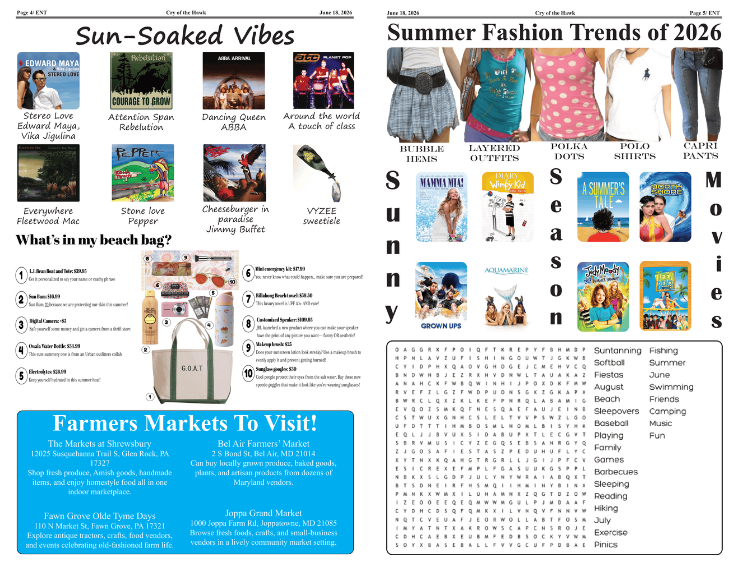
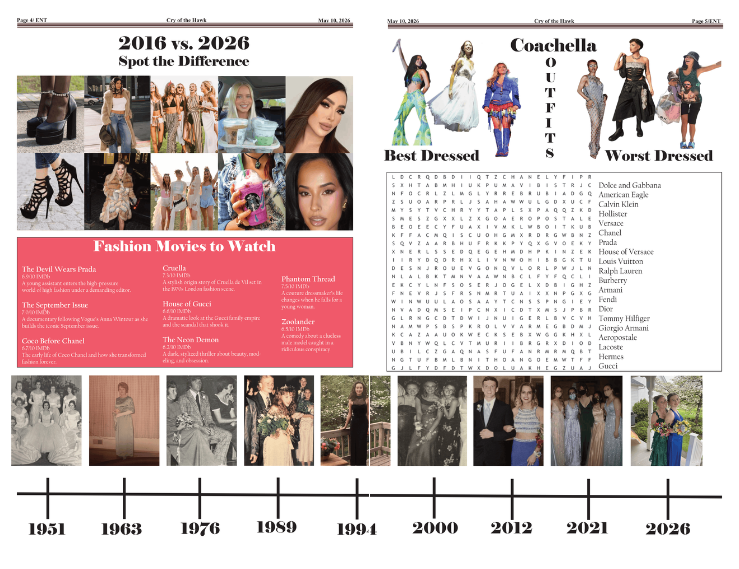


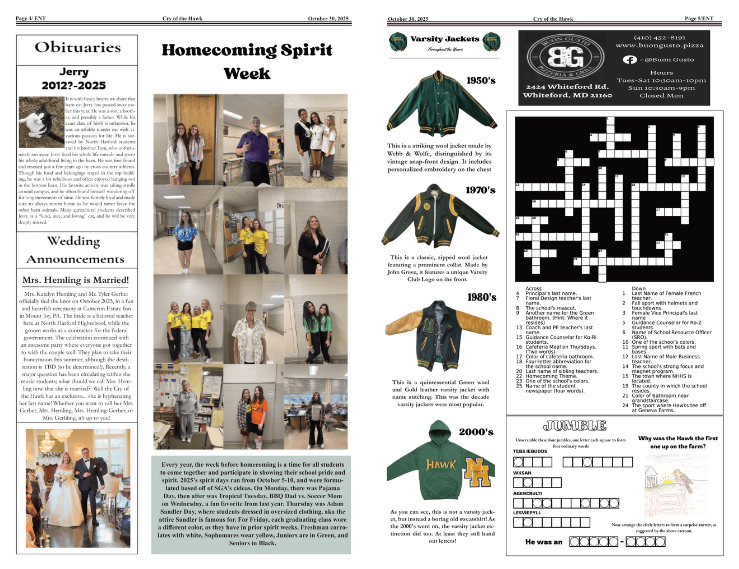
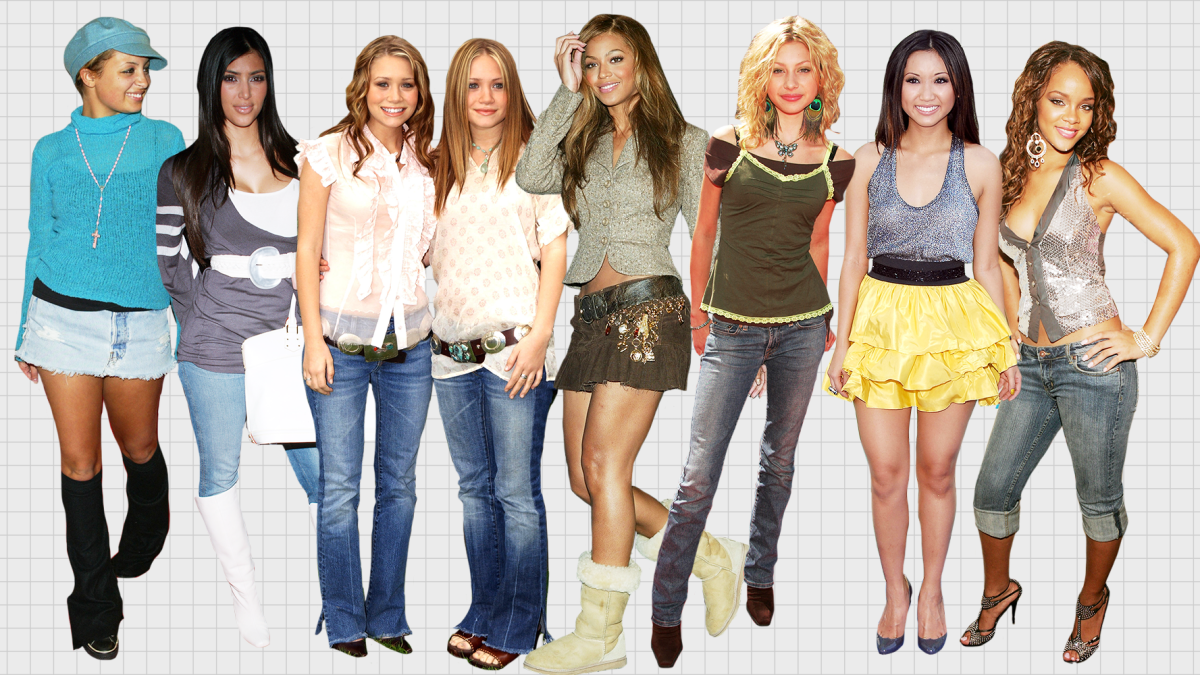
Fashion in the 2000s was loud, experimental, and impossible to ignore. From low-rise jeans and rhinestone-studded tops to velour tracksuits and chunky highlights, the era embraced excess in a way that feels almost shocking compared to today’s more curated style landscape. Looking back, it raises a larger question: was fashion more authentic before the rise of social media?
The 2000s thrived on unpredictability. Trends were shaped less by carefully planned aesthetics and more by spontaneity—what celebrities wore off-duty, what showed up in magazines, and what people simply felt like putting together. Outfits didn’t need to be cohesive or polished. In fact, part of the appeal was that they weren’t. Style was personal, sometimes chaotic, and often imperfect.
Today’s fashion world operates differently. Social media has made style more accessible and inclusive, allowing people to explore trends from anywhere and find inspiration instantly. At the same time, it has introduced a level of pressure that didn’t exist before. Outfits are often chosen with an audience in mind, shaped by what will perform well online rather than what feels individual. The result is a more refined but often less daring approach to fashion.
That contrast highlights what made the 2000s stand out. It wasn’t that the fashion was objectively better, but that it felt freer. There was less concern about judgment and more room for experimentation, even if that meant getting it wrong. Today’s emphasis on aesthetics and approval has, in some ways, limited that kind of risk-taking.
The lasting influence of 2000s fashion suggests that people are drawn to that sense of freedom. Trends from the era continue to resurface, not just because of nostalgia, but because they represent a time when style didn’t have to be perfect to stand out. In a fashion landscape increasingly shaped by algorithms and expectations, the boldness of the 2000s serves as a reminder: individuality often comes from taking risks, not refining them away.
