










Imagine going to a concert. The lights go down, the music starts, and thousands of people pull out their phones. Instead of singing, dancing, or simply enjoying the experience, many are focused on recording it. The question is no longer, “Am I having fun?” but rather, “Will this get likes?”
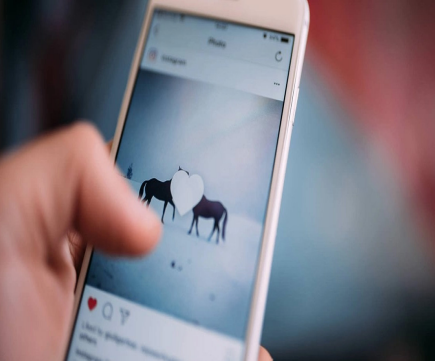
Social media has transformed the way we communicate, learn, and connect with others. It has allowed people to stay in touch across continents, discover new opportunities, and share their voices with the world. However, while social media offers many benefits, it has also quietly changed the way we experience our everyday lives. More and more, people, especially teenagers are living for the post instead of the moment.
One of the biggest problems is the pressure to present a perfect life. Scroll through any social media feed, and you’ll find carefully edited photos, exciting vacations, expensive purchases, and seemingly flawless friendships. What is often missing are the ordinary moments, the struggles, and the imperfections that make up real life. As a result, many young people compare their behind-the-scenes reality to someone else’s highlight reel. This comparison can create feelings of insecurity, anxiety, and inadequacy.
Social media has also turned experiences into performances. A sunset is no longer just a sunset, it is content. A meal is not simply eaten, it is photographed. Instead of fully participating in our lives, we sometimes become spectators of our own experiences, constantly thinking about how they will appear online. While sharing memories can be meaningful, there is a difference between capturing a moment and missing it entirely
Although social media is not the sole cause of these issues, it can amplify them. Constant exposure to other people’s achievements, appearances, and lifestyles can make users feel as though they are falling behind. The pressure to maintain an online presence can become exhausting, turning what was designed to be a tool for connection into a source of stress.
Some may argue that social media simply reflects society rather than shaping it. While there is truth to this idea, it ignores the enormous influence these platforms have on behavior. Social media algorithms are designed to keep users engaged for as long as possible. They reward attention-grabbing content and encourage constant interaction. The more time people spend online, the less time they often spend engaging with the world around them.
This does not mean that social media should be abandoned entirely. In fact, it can be an incredible tool when used intentionally. It allows people to raise awareness about important issues, stay informed about current events, and build communities with others who share their interests. The problem is not the existence of social media itself but the role it has begun to play in our lives.
The solution starts with awareness. We need to become more mindful of how and why we use social media. Instead of reaching for our phones at every opportunity, we should challenge ourselves to be fully present. At a concert, listen to the music. At dinner with friends, focus on the conversation. During a beautiful sunset, take a moment to appreciate it before thinking about posting it online. Memories are often more meaningful when they are experienced firsthand rather than filtered through a screen.
Technology will continue to evolve, and social media is unlikely to disappear anytime soon. However, we still have the power to decide how much control it has over our lives. The greatest moments are not always the ones that receive the most likes, comments, or shares. They are the moments that make us laugh, learn, grow, and connect with the people around us.
If we want to build healthier relationships with ourselves and others, we must remember an important truth: life is not meant to be performed for an audience. It is meant to be lived. The sooner we stop measuring our experiences by their online value, the sooner we can start appreciating them for what they truly are—a collection of real moments that no number of likes can ever replace.

